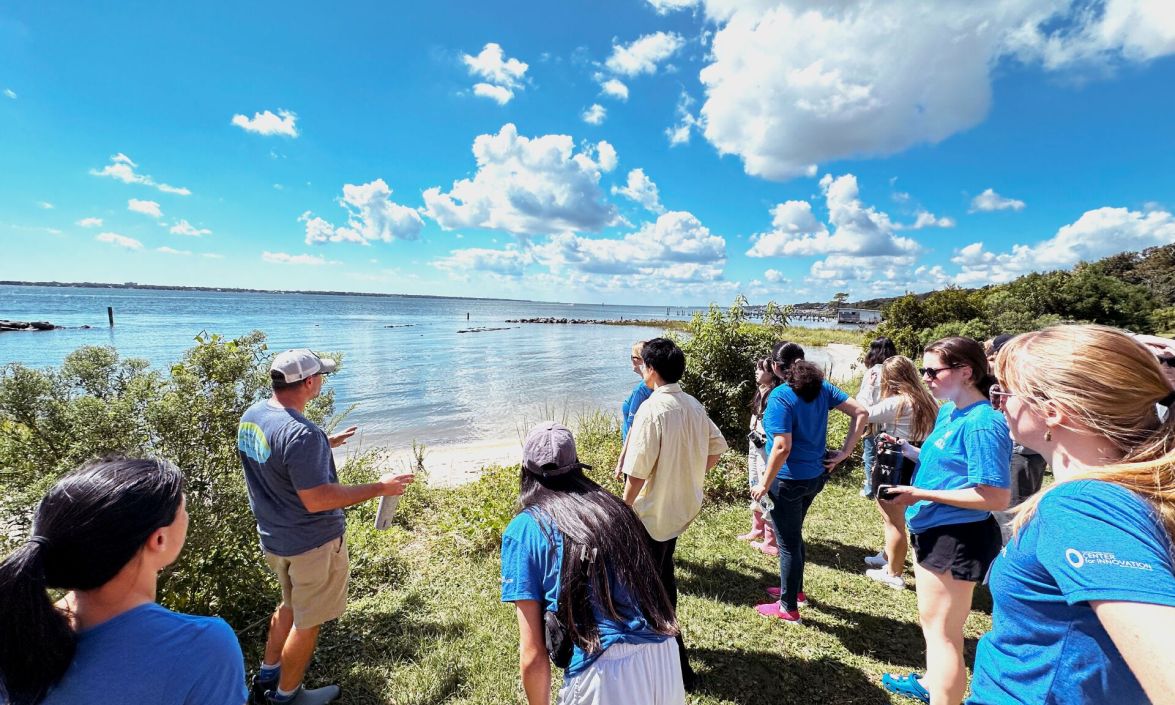
A Summer for a Sustainable Future
Maddie Go
Students in the Climate & Sustainability Engineering Master of Engineering inaugural cohort embarked on summer internships where they tackled real-world climate challenges and learned more about working in the climate & sustainability space.
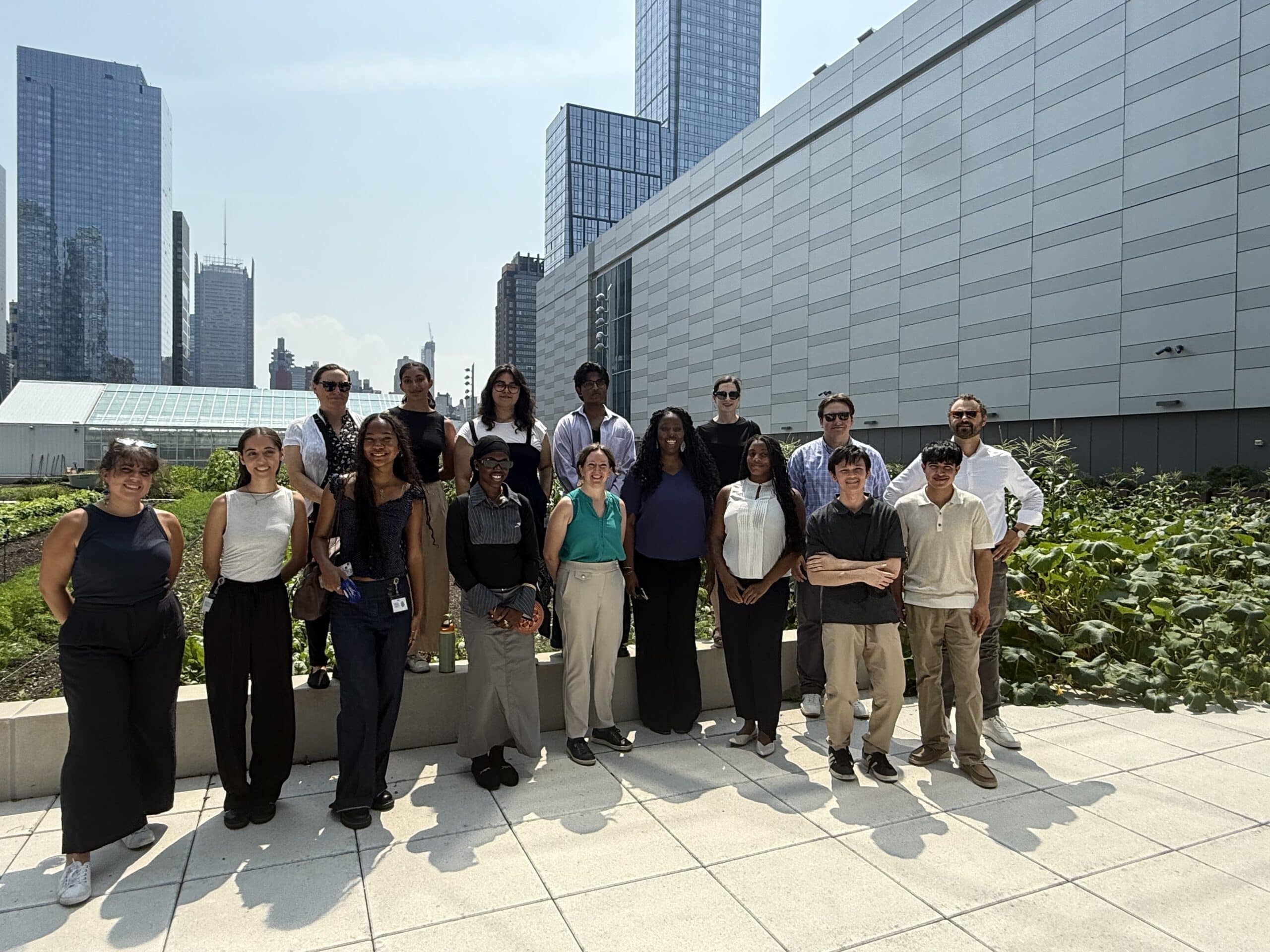
From Boise to New York City, the trailblazing class of Duke’s Master of Engineering in Climate and Sustainability Engineering (MEng C&SE) program travelled far and wide across the country for their internships this summer.
A key component of the MEng C&SE program, these internships provided the chance for these budding leaders in climate & sustainability engineering to put all they’d learned in the past year to the test. The students tackled real-world challenges in different sectors of the climate space and got a glimpse of what their careers after graduate school could look like.
Four students — Gabriel Sandoval, Karimah Preston, Louis Luo, and Samson Bienstock — shared their summer stories and reflected on what it means to work in the field of climate & sustainability engineering.
What were you up to this summer?
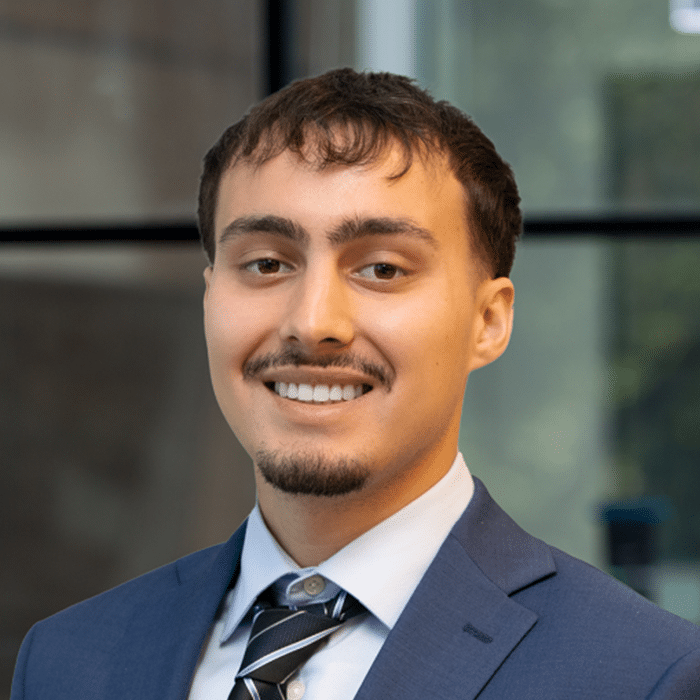
Gabriel Sandoval
I spent the summer in Warren, New Jersey, as a Climate & Sustainability Engineering Intern with the architecture and engineering firm Paulus, Sokolowski and Sartor (PS&S).
My projects ranged from analyzing the company’s past portfolio work on sustainable designs to launching a data management system that helped calculate the company’s carbon footprint. In general, all of my internship work focused on helping inform and guide PS&S’ sustainability strategy as a company.
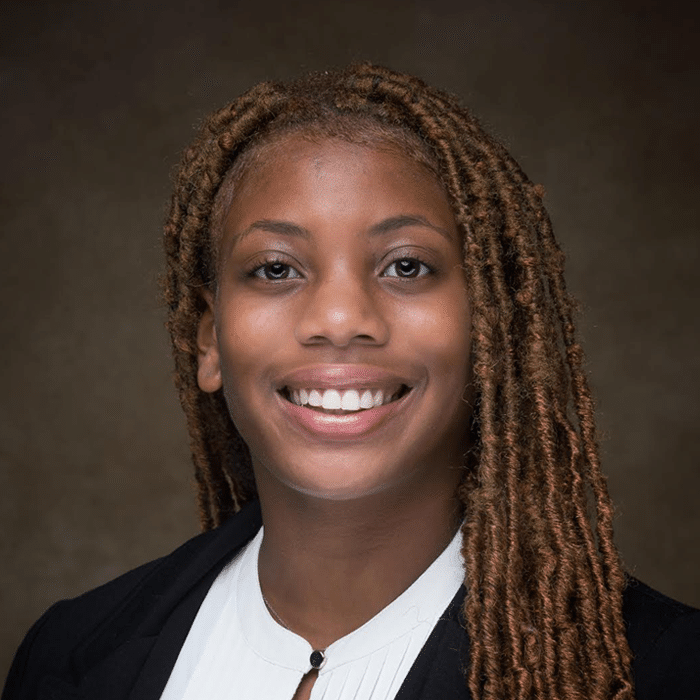
Karimah Preston
I was in New York City, New York doing an Environmental Defense Fund (EDF) Climate Corps Fellowship with the NYC Mayor’s Office of Climate & Environmental Justice (MOCEJ).
As an Energy Conservation Specialist II, I helped the city progress towards milestones they had set through their climate action plan (called PlaNYC) — primarily the Climate Resilience Design Guidelines (CRDG), which are meant to provide resilience standards for all city capital projects.

Samson Bienstock
I interned with the renewable energy company Hover Energy, LLC. Most of my internship was done remotely from Durham, but the company itself is based in Dallas, Texas.
My work rotated between three main projects: (1) Helping the head engineer design a wind turbine rotor by reviewing applicable research and contributing to design considerations; (2) Assisting the head of project finance with proposals by modeling energy generation for specific projects using a financial modeling tool; and (3) researching policy incentives that might make some of the company’s projects more economically viable.
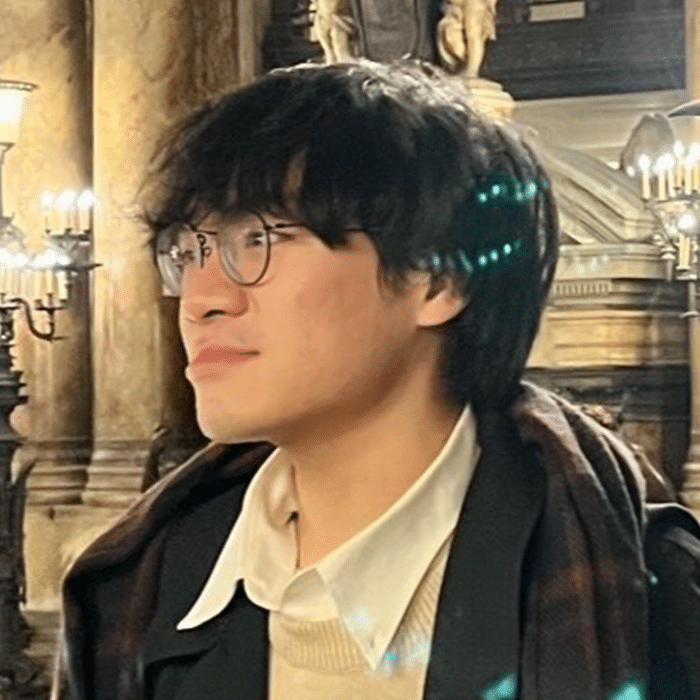
Louis Luo
I was over in Boise, Idaho, working as an Environmental Sustainability intern with Micron, a semiconductor production company that specializes in computer memory and computer data storage.
My work focused on automating data gathering for Micron’s indirect greenhouse gas emissions. This kind of data collection is usually a manual and time-consuming process that requires hours of internet searching and digging through PDFs. By developing an AI-based system to automatically extract emissions data, I provided Micron a way to shift more bandwidth towards reducing their emissions rather than just measuring them.
What was a professional highlight of your internship?
Luo: I got to join a workshop held by Micron’s Global EHSS (Environmental, Health, Safety, and Sustainability) team and met coworkers from all across the world who flew in to discuss how to make Micron more sustainable. It was eye-opening to see how many different parts of the company — procurement, customer engagement, R&D, and more — need to work together to make sustainability happen. It really taught me just how complex it is to push sustainability initiatives in a large organization like Micron.
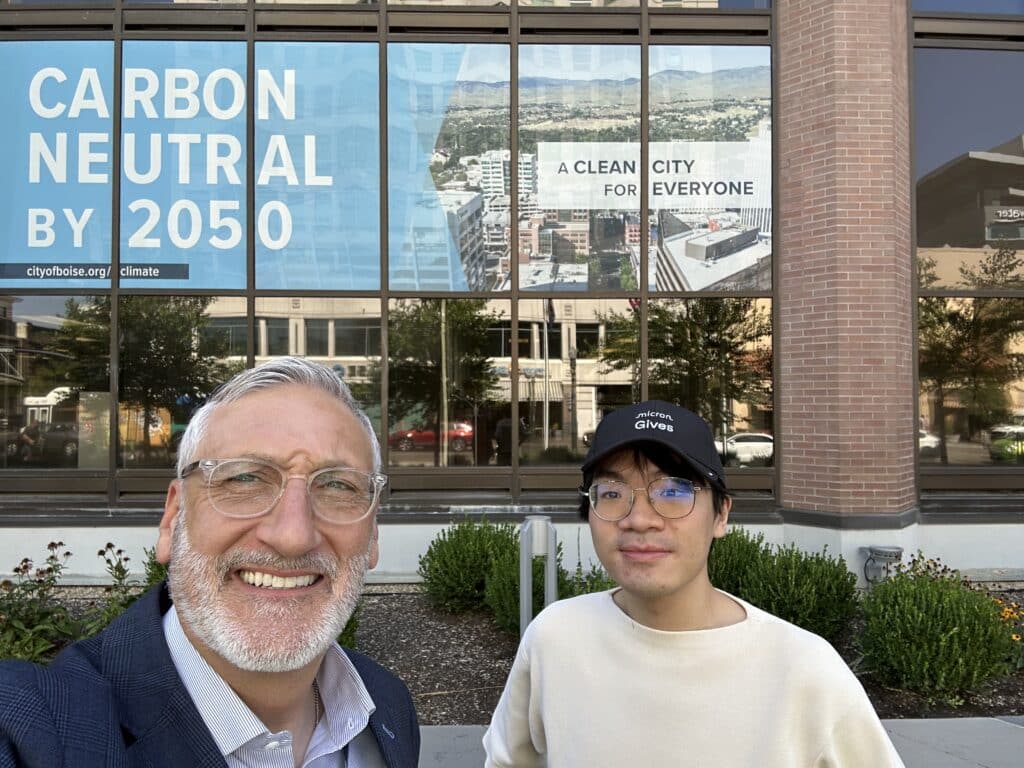
I also had the opportunity to meet with one of our master’s program’s Industry Advisory Board members Steve Burgos, who serves as the Public Works Director for Boise. It was a great chance to discuss ongoing sustainability efforts happening in both industry and government, and gain insights into the steps Boise is taking to become carbon neutral by 2050.

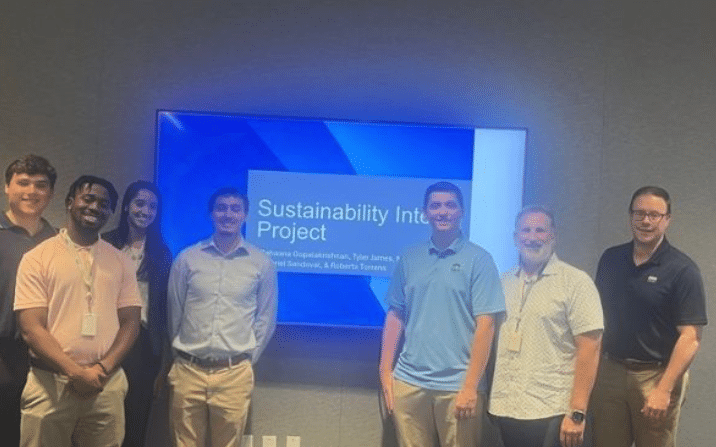
Sandoval: For me, getting to work with experts from a variety of disciplines was a general highlight of my internship. Some days I’d work with architects to learn how they design buildings to passively save energy; other days, I’d work with the Chief Information Officer to learn a new software for a data-centric project. These kinds of interactions pushed me to think about climate & sustainability from different perspectives, and made me more adaptable to multiple fields of work.
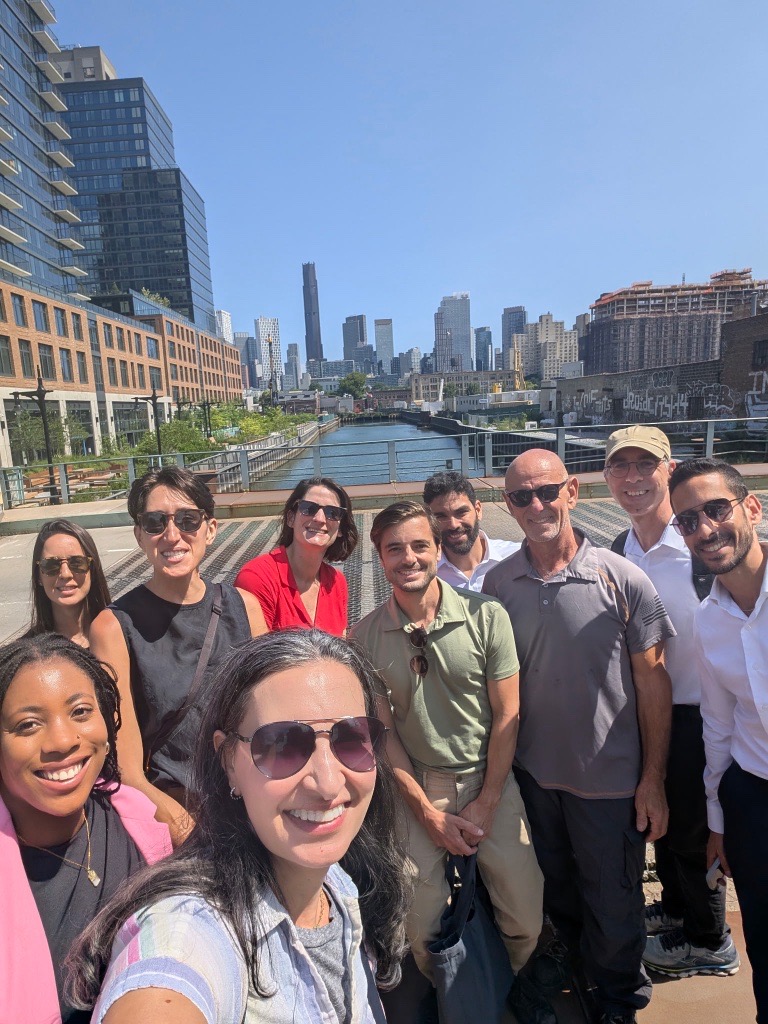
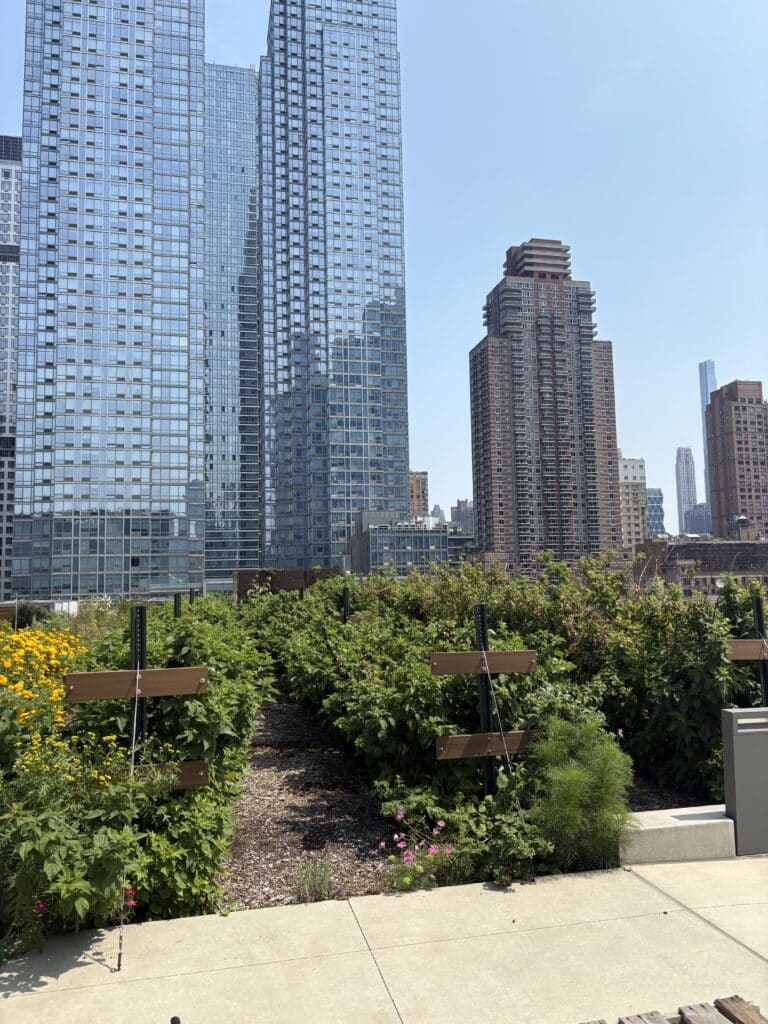
Preston: Oh, there were so many highlights! Running a cooling center pop-up in the Bronx for outdoor workers, visiting the Gowanus neighborhood and seeing the resilience updates being made to the canal there, touring the 7-acre Javits Convention Center Rooftop with its solar panels, operational farm and fruit-filled orchard…I just loved getting to see and participate in all the different climate and sustainability programs that are happening in NYC.


How about highlights outside of the office?

Bienstock: Although most of my internship was in Durham, at one point I got to fly out to Dallas for the 2025 Microgrid Knowledge Conference, which is a 3-day conference that brings together experts and industry leaders from various fields to talk about energy systems. Not only did I get to attend the conference, but I also got to hang out with my coworkers in person.

Sandoval: I’m from the West Coast and had never spent time in the Northeastern US before this summer. So outside of office hours, I sought out as many new experiences as I could. I will never forget the weekends I spent traversing New York City, walking the boardwalks of the Jersey shore, and trying the local seafood up in New England.
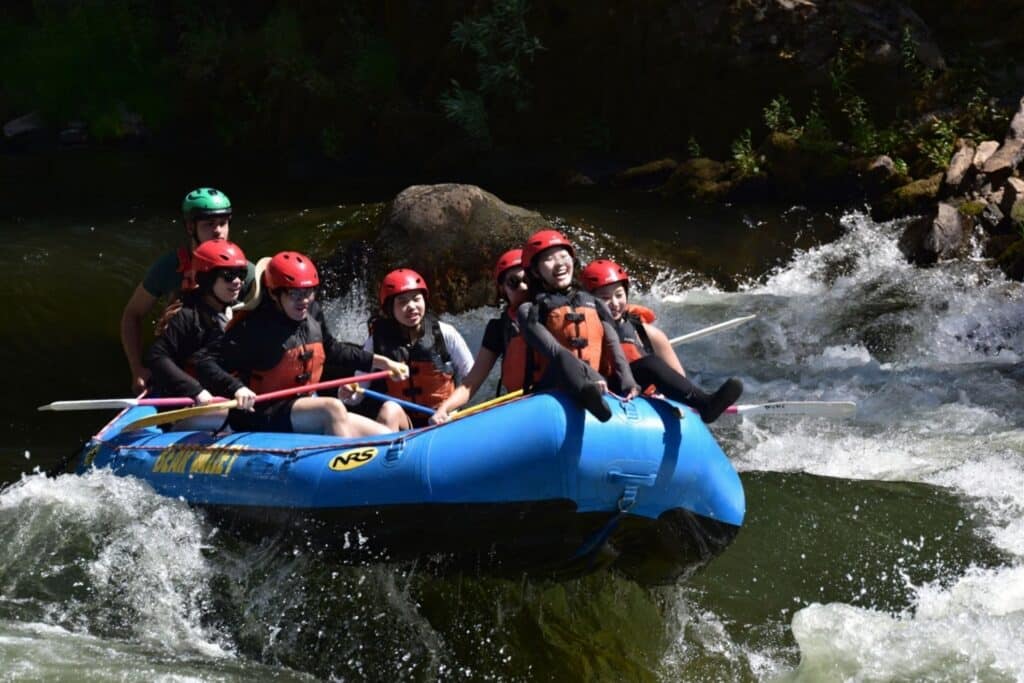
Luo: I had fun doing a bunch of outdoor activities with my coworkers, like river rafting, cherry picking, and visiting Grand Teton and Yellowstone National Parks. I first got into sustainability through backpacking, but I haven’t been outdoors much lately because of school. These activities were a great reminder of why I’m doing the work I do.


How did the MEng C&SE program help prepare you for this summer?
Preston: Taking a mix of technical, policy and business courses as part of the master’s program helped me develop a more interdisciplinary approach to problem-solving that was invaluable in my internship. For instance, my strong understanding of climate science allowed me to confidently speak on topics such as emissions, decarbonization strategies, and climate risk factors. At the same time, my experience with policy and business helped me to account for circularity, cost, social impacts, and risk factors when proposing solutions.
Bienstock: The class “Applied Climate and Sustainability Engineering” led by Sara Oliver (Director of the MEng C&SE program) helped prepare me for my internship by strengthening my sense of autonomy. There were moments during my internship where nobody described exactly what the outcome of my effort should be, and I had to figure out how to provide value as an engineering professional in my own way. This kind of real-life scenario is rarely encountered in school, where professors often describe exactly what the right answer should look like. But in Professor Sara’s class, we were given the opportunity to sort of figure it out for ourselves, and this truly prepares you for what the world is actually like.
Luo: Outside of our great curriculum, I’m really grateful for the level of career development support we get in our program. In particular, I’d like to thank Chloë Benjamin (Senior Career Specialist with Graduate Student Affairs) and Sara Oliver for their guidance on resumes and interviews. My manager at Micron actually complimented me on how I organized my resume to have a “Sustainability Experience” and an “Engineering Experience” section; and I usually get very nervous during interviews, but Chloë’s technique of preparing three key stories to share made me feel much more in control of the conversation.
What were some big takeaways from your internship?
Preston: My time in NYC taught me that there is a strong desire for sustainability from all members of the community, from average citizens to businesses to local leaders. One quote I remember from my time at MOCEJ was, “even though we are a political office, the work we do is not intended to be political”. And that’s so true: regardless of age, background, and political views, every New Yorker is impacted by the impacts of poor air quality and extreme weather, and wants to see solutions. In the future, I’d like to continue working on climate resilience strategies that directly impact communities, and to serve as a bridge between advocacy, technical solutions and policy.

Sandoval: Working at PS&S reinforced my belief that climate & sustainability engineering is a valuable and adaptable field that the private sector and local governments continue to strongly focus on. I’m looking forward to future innovations that will make our transition to cleaner technologies and more sustainable practices more feasible, and I hope to one day lead cross-disciplinary engineering teams that help achieve such solutions.
Luo: My internship showed me just how complex and fast-changing the sustainability field is, and reinforced my belief that sustainability isn’t something that can be handled by one team. Effective solutions require collaboration across every part of a company, as well as across companies and industries. I’m optimistic that we can make progress, especially with the growing number of companies setting decarbonization goals. However, we do need more standardized, regulated, and streamlined way of reporting carbon emission. So I hope that in the future, I can continue to use my hardware and software engineering skills to further contribute to this important effort.

Any internship advice for future MEng C&SE students?
Luo: Start preparing early, both technically and professionally. Use your coursework to build a strong foundation in the tools and concepts you’ll need, but also make sure to spend some time on resume building/tailoring and interview prep.
Bienstock: Have a good answer to the question, “What are you going to do with your master’s degree?” This will be informative during your internship search process, as it can help you narrow down what fields, industries or types of companies you apply to.
Preston: Once you have your internship, come prepared to interact! Research the people that you will be working with, and make an effort to get to know everyone in the office. During my internship I had a lot of coffee chats where I connected with so many folks, from other interns all the way up to the executive director. Don’t be afraid to put yourself out there and make a lasting impression on someone — you never know where it may lead next.
Sandoval: It’s important to be proactive and self-sufficient during your internship. But at the same time, when you hit a roadblock, don’t be afraid to reach out and ask questions — most of time, people want to help.
Master of Engineering in Climate & Sustainability Engineering
The effects of climate change are undeniable, and making an impact takes more than just engineering expertise alone. Duke’s Master of Engineering in Climate and Sustainability Engineering prepares holistic leaders that can navigate uncertainty, manage risk, and design adaptable solutions for a changing world.