
New CRISPRs Expand Upon the Original’s Abilities
By scouring thousands of bacterial genomes for new CRISPR-Cas systems, researchers have discovered some that could expand the technology’s impact in research, biotechnology and medicine

By scouring thousands of bacterial genomes for new CRISPR-Cas systems, researchers have discovered some that could expand the technology’s impact in research, biotechnology and medicine

Amanda Randles pioneers computer models that non-invasively diagnose disease

Inventive Duke students get crash course in commercializing their technologies with the Christensen Family Center for Innovation.

Without federal facilities and administrative reimbursement payments, university research on critical areas such as Alzheimer’s, cancer, infectious diseases and pediatric health would slow down or come to a complete halt. The same holds for applied sciences, such as the Duke Quantum Center (pictured) that promise innovations to strengthen the American economy.
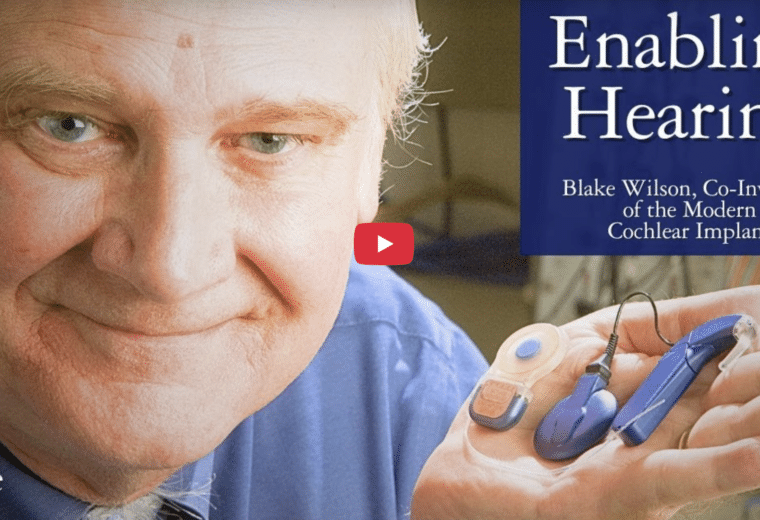
Learn how federal funding helped Duke Engineering graduate and professor revolutionize a device that has restored hearing for millions.

A Bass Connections team including BME PhD student Sophia Vincoff works to engineer bacteria that can degrade plastics in the ocean.
Researchers led by Lingchong You have developed a system to better regulate gene expression that could be applied to biosensors, toxin production and metabolic pathway regulation.

Incorporating weak bonds that lay the groundwork for new networks allows tougher double-network hydrogels that recover from damage

By precisely controlling the concentration of drugs, DART.2 helps ensure drugs are administered to targeted cells

New Assistant Director of Human Resources Andrew Ross talks about his journey to Duke and how he's helping the Pratt School of Engineering grow into the future

Emily Edwards is working to educate the public about the wonders of quantum information science through interactive games.
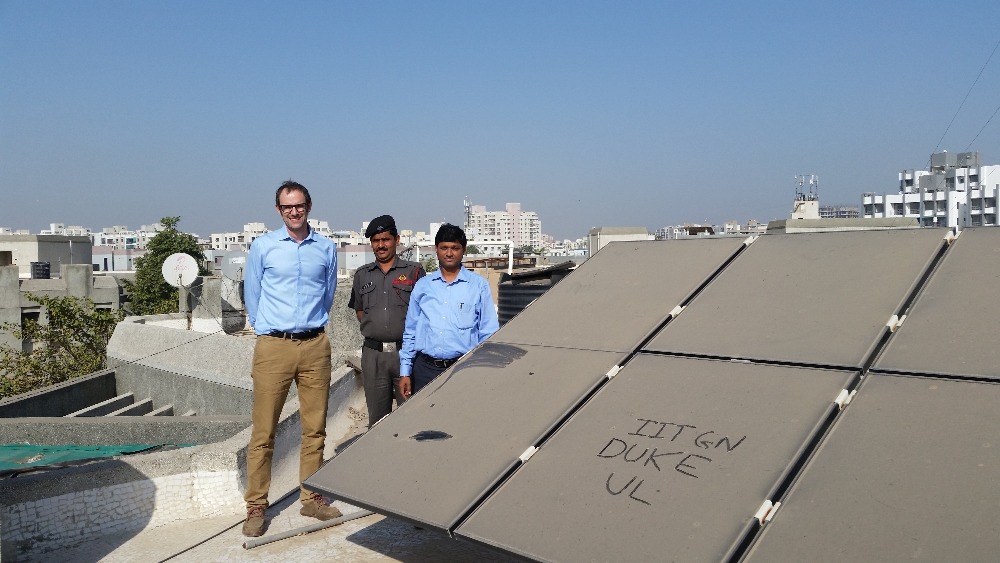
Seed funding from the Provost’s Collaboratories program helped Mike Bergin develop technologies, found startups and teach students around keeping solar panels clean from pollution

Quantum computing pioneer to help shape the Duke Science and Technology initiative