

Gen. Charles Q. Brown Jr. to be Executive-in-Residence at Duke
Former Chairman of the Joint Chiefs of Staff will engage with students and faculty through Duke Engineering's Character Forward program.
Former Chairman of the Joint Chiefs of Staff will engage with students and faculty through Duke Engineering's Character Forward program.

Gunsch brings a broad range of leadership experience in engineering, operations and strategic consulting to the MEM program.

With a career spanning both academia and industry, Dr. Bozic brings a unique blend of scholarly expertise and practical business insight to her new role.
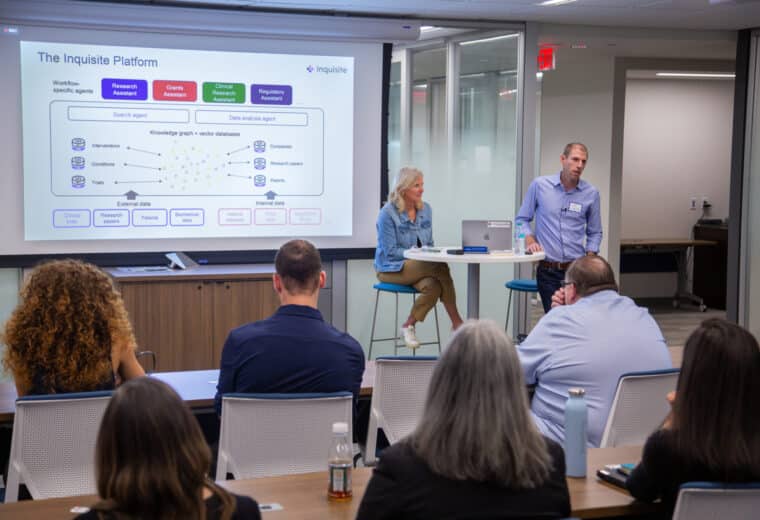
A Duke Engineering and Duke School of Medicine collaboration led to the founding of Inquisite, a company built on the conviction that technology, especially AI, has the potential to help accelerate scientific progress for a better world.

Duke spinout Quadridox is developing new X-ray machinery for both airports and health care.

Since 2018, Duke has been a critical node in efforts to field test sanitation systems across the world for projects funded by the Gates Foundation.

A team of undergrads took on the challenge of designing a responsive CPR training manikin for their MEMS senior design capstone.

Duke Engineering faculty are involved in three new interdisciplinary graduate education collaboratives focused on society-centered AI, advanced climate training, and information science and engineering for the public sector.
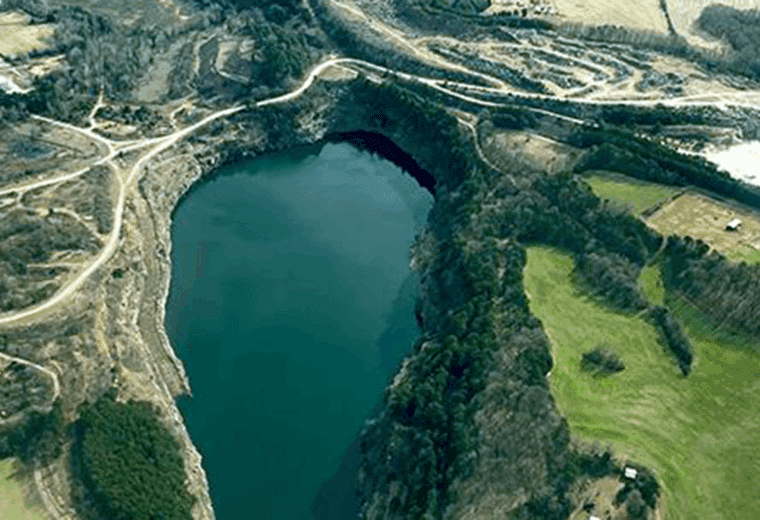
The Symposium on Critical Resources, Minerals, and Materials Joint Efforts showed the research Duke Engineering faculty are conducting on critical minerals like lithium.
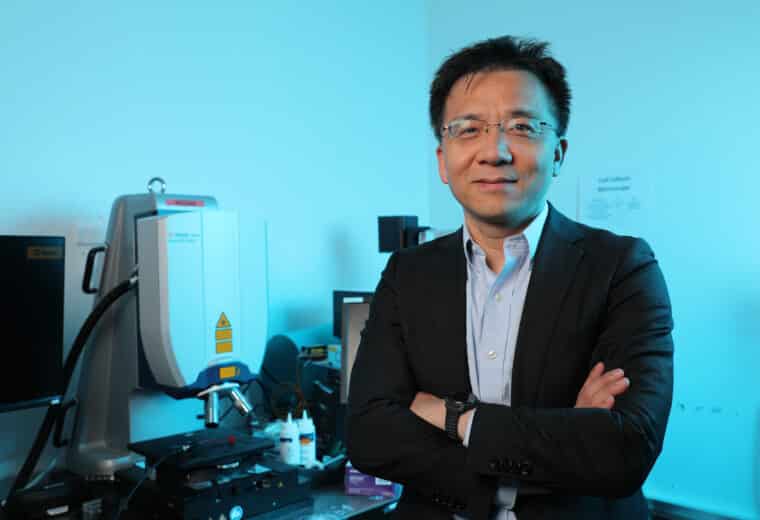
Huang was recognized for his work on “acoustic tweezers”: a technology that uses sound waves to maniopulate particles in fluids, with promising applications in biology and medicine.
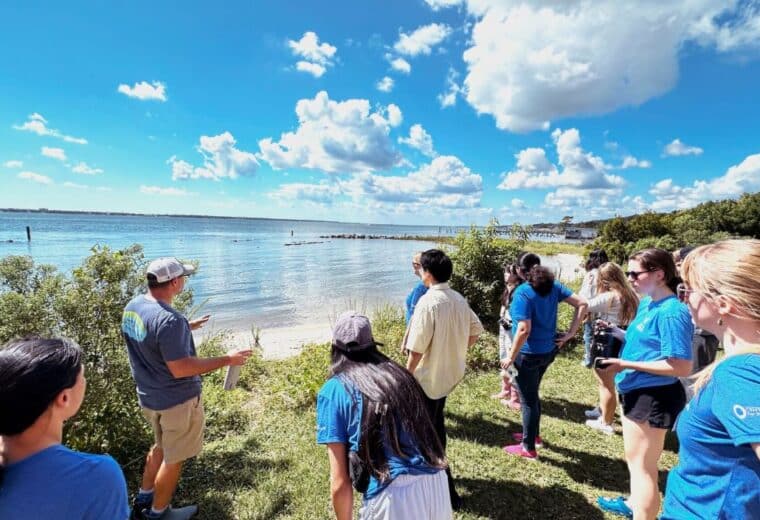
Experts across Duke are urgently thinking through ways for communities to become more resilient in the face of disaster.

Leanne Gilbertson is leading the new "Duke Critical Minerals Hub" to examine their full life cycle from extraction and mining to processing, use and reuse.