
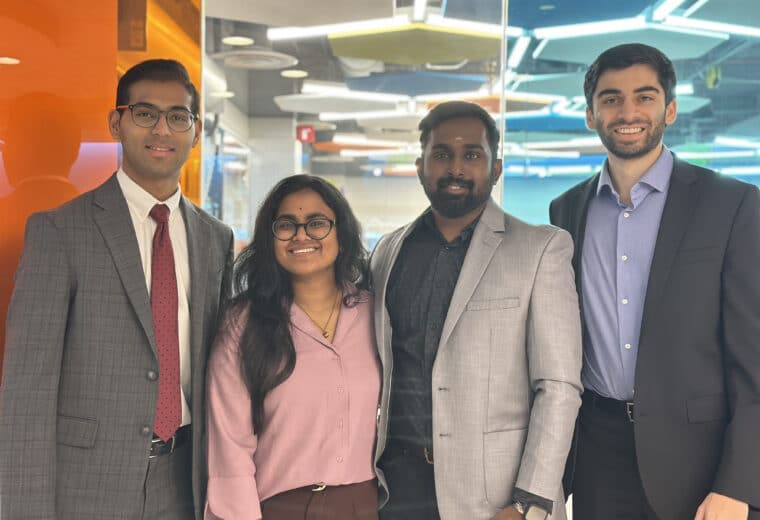
From Coursework to Patient Care: Duke Design Health Team Innovates POTS Treatment
Student-led startup pursues award-winning treatment for patients with disruptions to their autonomic body processes.
A healthier society depends on engineering solutions that transform care, improve outcomes, and extend well-being to all.
Duke pioneered this vision more than 50 years ago by launching the nation’s first Department of Biomedical Engineering. Today, our mission has never been more urgent or promising, with AI driving advanced diagnostics, wearable sensors streaming personalized health data, and advanced medical robotics enhancing surgical precision.
We stand at the convergence of disciplines in an era where futuristic technologies are poised to spark incredible advances in human health, where supercomputers simulate patient-specific conditions, CRISPR-based tools manipulate genomic activity, and brain-computer interfaces restore mobility and enhance mental health treatments.
Proximity matters. With one of the world’s leading medical schools steps away and deep partnerships spanning discovery, translation, and entrepreneurship, Duke Engineering maintains a proven pipeline moving ideas swiftly from concept to clinical impact.
Upholding a modern Hippocratic ethos, our students learn within a robust ethical framework. They develop listening, communication, and empathy skills to ensure that every innovation serves individuals and communities equitably.
Addressing the complexity of the human body demands sophisticated, interdisciplinary approaches. At Duke Engineering, we unite students and faculty from engineering, medicine, nursing, environmental science, policy, and business—in classrooms, clinics, and the field—to engineer a healthier future for all.

Interdisciplinary teams of graduate students from engineering, medicine, nursing, and business shadow clinicians to uncover unmet challenges. Through Design Health, they then design, prototype, and test solutions alongside industry partners to ensure new technologies address real-world needs.
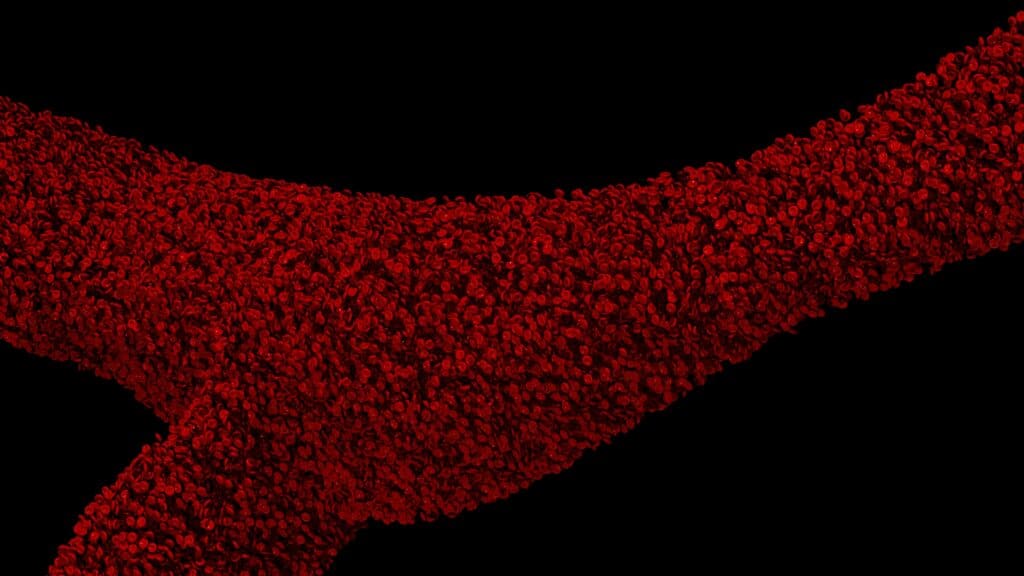
The Duke Center for Computational and Digital Health Innovation powers the research behind tomorrow’s clinical tools, from AI-driven wearable health monitors that flag early warning signs of danger to virtual-reality platforms for surgical planning and rehearsal.
The Traineeship for the Advancement of Surgical Technology (TAST) recruits graduate students across engineering and computer science to design next-generation surgical robots addressing provider, patient, and societal needs through hands-on prototyping and testing in convergent teams.
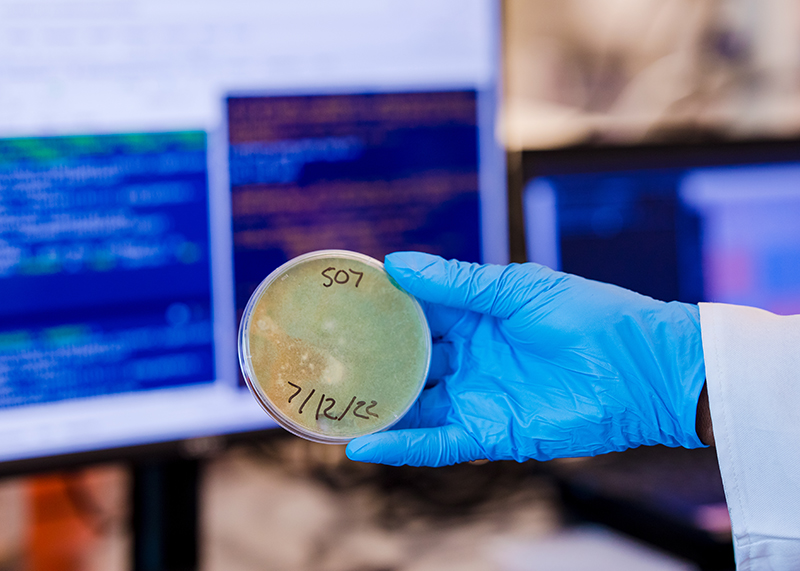
The NSF Precision Microbiome Engineering Research Center (PreMiEr) develops diagnostic tools and building technologies that foster beneficial microbial communities while preventing harmful pathogens—redefining the environments where we live, work, and play.
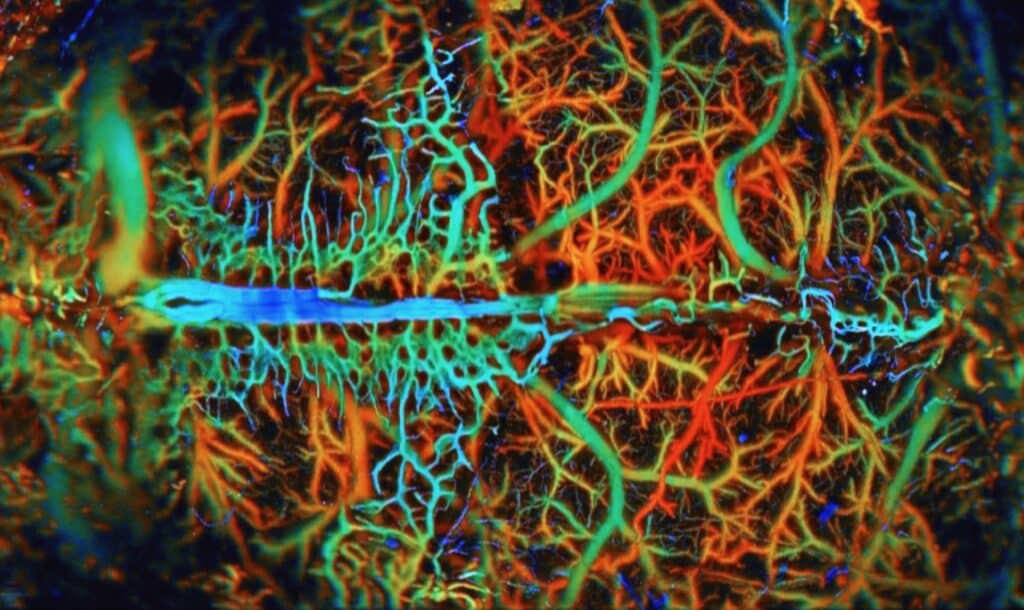
Duke has always had an ambitious view of the future. Building on a half-century legacy of medical imaging research in real-time and 3D ultrasound imaging and optical coherence tomography (OCT), Duke researchers are also now pursuing photoacoustic tomography—ultrasound waves created by light penetrating deep within tissues—to provide transformative insights into the human body.

Early diagnosis is the most important component to helping autistic children thrive as they grow, but the specialists required are often overbooked or unavailable in certain areas. Duke engineers developed SenseToKnow, a tablet-based, 10-minute app that can accurately screen for autism in children by automatically detecting a wide range of behavioral characteristics.
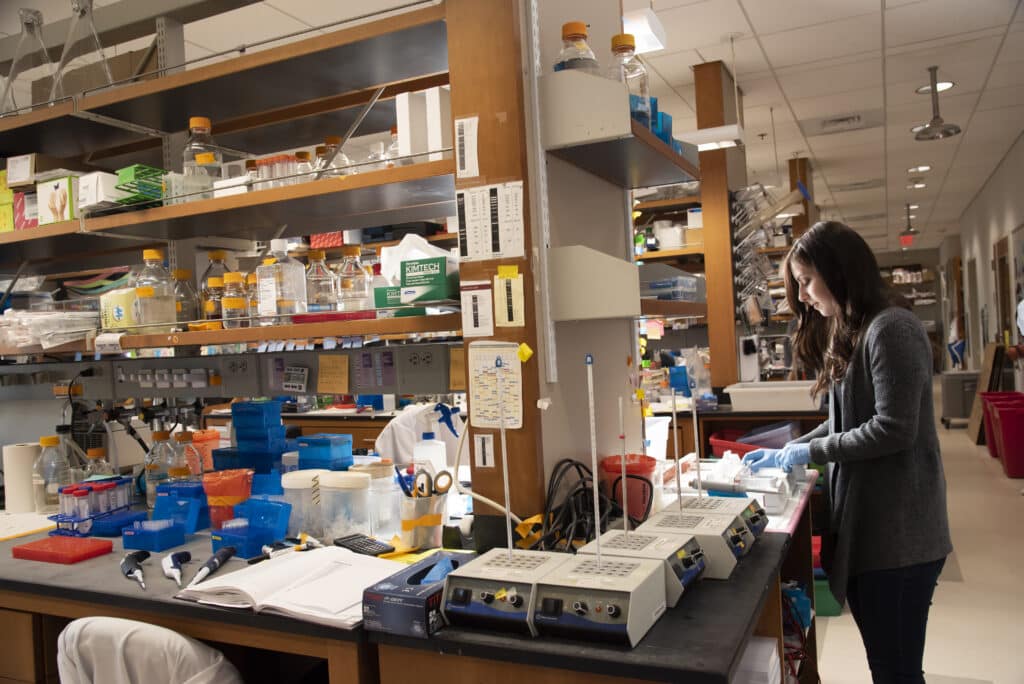
The Center for Advanced Genomic Technologies (CAGT) brings engineers, scientists, and clinicians together to harness CRISPR and epigenomic profiling, streamlining drug-target discovery and unlocking new treatments.
Student-led startup pursues award-winning treatment for patients with disruptions to their autonomic body processes.
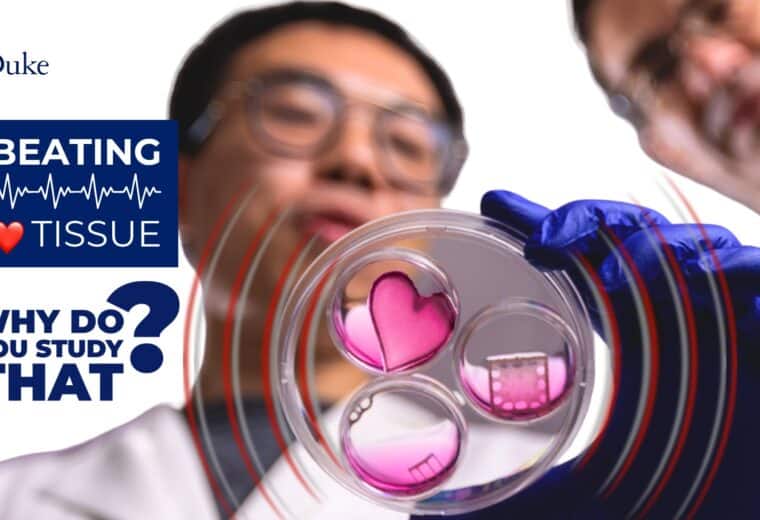
Nenad Bursac is growing beating human heart tissue in his lab to test emerging heart repair treatments such as gene therapy.

Amanda Randles is working to develop a vascular digital twin model that might see a heart problem before a patient shows any symptoms.