Gene Therapy Restores Functionality in Non-Human Primates After Heart Attacks
8/28/25Pratt School of Engineering4 min read
New approach uses bacterial genes to restore both strength and rhythm of damaged hearts.
SHARE
Gene Therapy Restores Functionality in Non-Human Primates After Heart Attacks
Biomedical engineers at Duke University have successfully conducted experiments to treat damage caused by heart attacks in non-human primates using gene therapy for the first time.
More than 800,000 Americans suffer a heart attack every year. Even if they survive the initial event, the damage to the heart is often permanent because heart muscle cells do not naturally regenerate. Patients are left with weakened heart contractions that can lead to heart failure or dangerous irregular heart rhythms called arrhythmia that can be fatal. Current therapies can only slow down disease progression and are limited in restoring lost function.
A patch of heart tissue engineered to model injury after a heart attack beats in a well filled with media (5x speed).
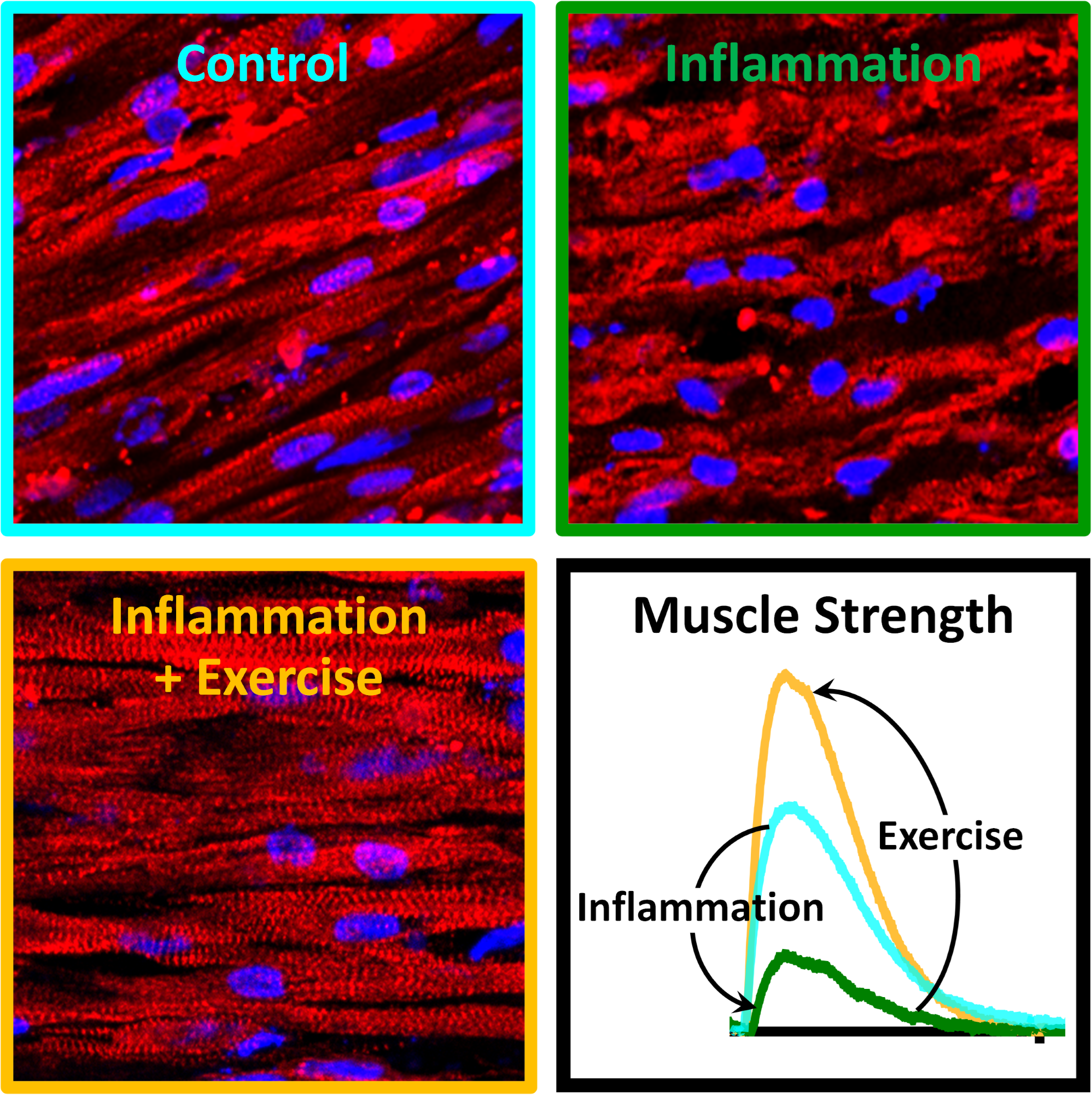
Now, researchers have shown they can help the heart to normalize strength and rhythm by delivering an engineered bacterial sodium channel to the damaged heart. The researchers first showed they can successfully improve contraction strength of injured lab-grown human heart tissues using these channels. In subsequent studies in macaque monkeys with heart damage mimicking that found in human heart attack, the gene therapy largely restored the heart’s ability to pump blood and prevented arrhythmias within weeks of administration.
“This approach improved both the electrical and mechanical function of damaged heart tissue, which may have added benefits compared to other approaches being pursued,” said Nenad Bursac, professor of biomedical engineering at Duke. “We’re excited by the promising results of this two-pronged strategy and are on a path toward eventual human trials.”
The latest study, in collaboration with Lei Ye and researchers from Singapore, demonstrated that this form of gene therapy can be directly injected into the site of heart damage in monkeys to exert therapeutic effects. Importantly, the genes delivered were not found anywhere outside of their intended sites, and no adverse effects were observed during the study period.
This approach improved both the electrical and mechanical function of damaged heart tissue, which may have added benefits compared to other approaches being pursued.
Nenad BursacProfessor of Biomedical Engineering
“The treatment improved heart function in pathological conditions in a clinically relevant setting,” said Tianyu Wu, a postdoctoral researcher working in Bursac’s lab. “The dosage we administered is 100 times lower than what is clinically approved, and the delivery can be achieved through a catheter, avoiding the need to do open-heart surgery in patients.”
Professor Nenad Bersaç and Tianyu Wu work with a 7mm wide example of Heart Tissue, in this case showing some damage as it was infected with a virus, beats in a dish in the Nenad Bersaç lab at Duke University.
The researchers note that there are several similar ongoing efforts in clinics. Some clinical trials are investigating the use of gene therapy for specific heart genetic diseases. Others are focused on correcting calcium signaling to improve contractile strength of a failing heart. Yet another is trying to induce heart muscle to regenerate.
But to their knowledge, this is the first study that has tested gene therapy on a heart disease model in non-human primates. The team also believes that this approach may be particularly effective for heart attack and fibrosis because it also decreases incidence of arrythmias.
Moving forward, the team already has studies underway in pigs, which is a critical step toward getting FDA approval to begin human trials.
This research was supported by the American Heart Association, the National Institutes of Health (EB032726, HL126524, HL132389, HL134764), and Duke/Duke-NUS Research Collaboration Pilot Project.
“BacNav gene therapy improves function of infarcted engineered human myocardium and NHPs.” Tianyu Wu, Nicole G.Z. Tee, Yiu Yan Siu, Anna Tornatore, Abhishek Bhattacharjee, James Koconis, Szejie Loo, Liping Su, Binjie Li, Lei Ye, and Nenad Bursac. Circulation Research, 2025. DOI: 10.1161/CIRCRESAHA.125.326570
Duke professor of biomedical engineering Nenad Bursac is learning how muscles can recover from injury, by using stem cells to create new muscles from scratch.
Cookie Consent
This website uses cookies as well as similar tools and technologies to understand visitors' experiences. By continuing to use this website, you consent to Duke University's usage of cookies and similar technologies, in accordance with the Duke Privacy Statement.
Cookie Preferences
Manage your cookie preferences below:
Essential cookies enable basic functions and are necessary for the proper function of the website.
Name
Description
Duration
Cookie Preferences
This cookie is used to store the user's cookie consent preferences.
30 days
Google reCAPTCHA helps protect websites from spam and abuse by verifying user interactions through challenges.
Name
Description
Duration
_GRECAPTCHA
Google reCAPTCHA sets a necessary cookie (_GRECAPTCHA) when executed for the purpose of providing its risk analysis.
179 days
Google Tag Manager simplifies the management of marketing tags on your website without code changes.
Name
Description
Duration
td
Registers statistical data on users' behaviour on the website. Used for internal analytics by the website operator.