Exosome Tweezers
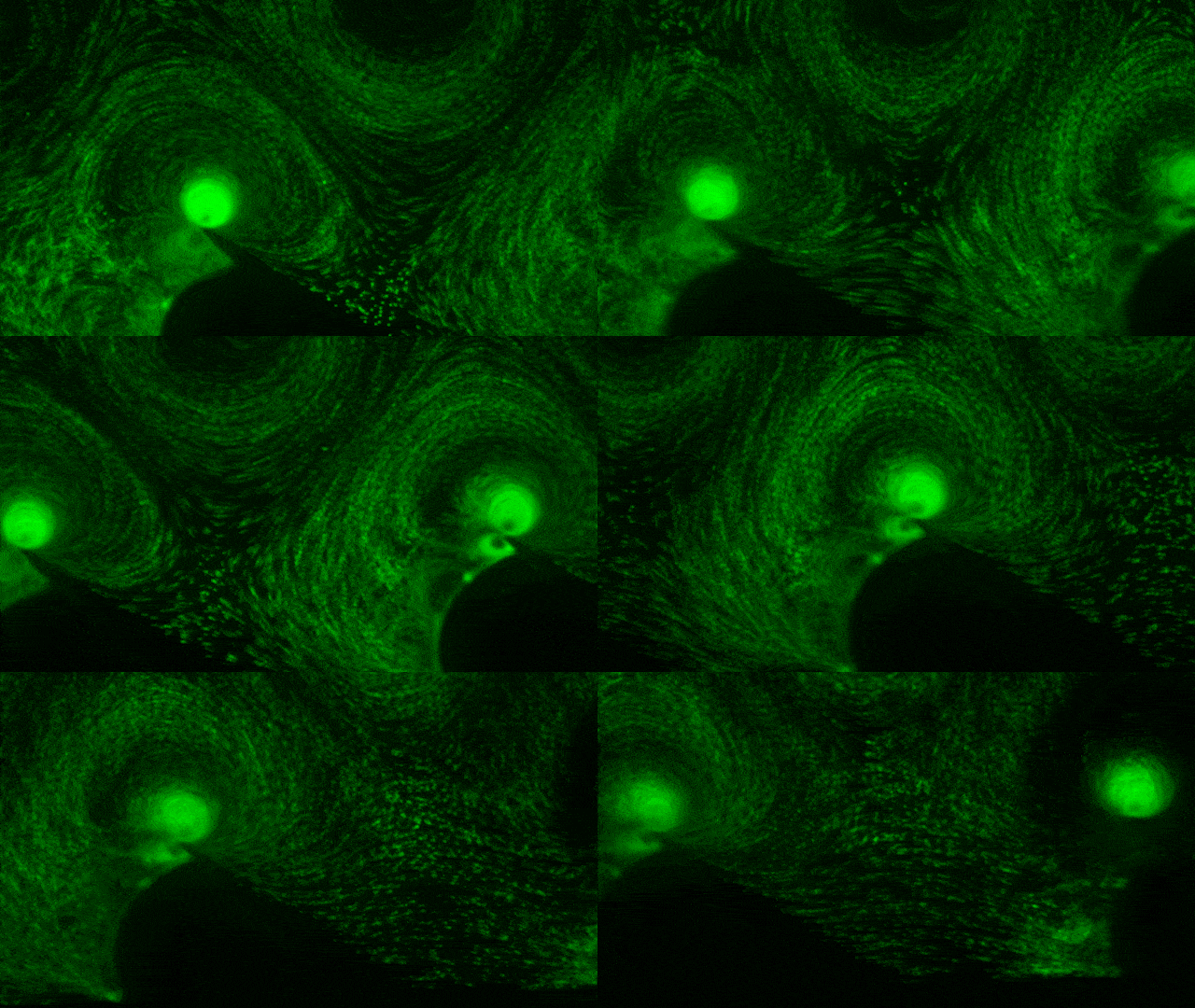
One ongoing project that particularly excites Huang focuses on exosomes, tiny particles released by cells that act as messengers throughout the body. These particles carry important biological information, including RNA, DNA, and proteins, that can provide valuable clues about a person’s health and potential diseases. However, because exosomes are so small, separating them from other components in a fluid sample remains a major challenge.
Huang’s lab developed an acoustic tweezer system that consists of two stages, with the first stage filtering particles by size and the second stage filtering them by physical composition. This approach can produce exosome yields 10-20 times higher than conventional methods.
“In a centrifuge, exosomes are exposed to physical stress for a long time, resulting in many of them being damaged,” Huang said. “With the acoustic tweezers, the procedure is much gentler and more efficient.”
Ascent has developed commercial prototypes of the exosome tweezers and is in talks with potential clients, including NIH laboratories. Huang hopes that someday, these tweezers can aid researchers who are investigating the use of isolated exosomes in early diagnosis of diseases like cancer, Alzheimer’s and placental health conditions.